 Omnis Barbaria

Historical reenactment
Our activities follow well-established scenarios and are carried out with a high degree of rigour. Many events of this kind have become known worldwide, take place every year and draw very large numbers of visitors.
The Omnis Barbaria Cultural Association began its activity in the summer of 2013, in response to the need to highlight the importance of the historical and cultural heritage of Satu Mare County and of the whole country.
From the start, our activities have combined strictly scientific work with making history and archaeology accessible to the public. Right after it was founded, the association began working with institutions such as the Satu Mare County Museum, to promote the Medieșu Aurit – Șuculeu archaeological reserve. Soon after, our educational work with pupils began, through the Living History lessons.
Our events have brought together collaborators from the counties of Maramureș, Satu Mare, Sălaj, Cluj, Neamț, Alba, Covasna, Bistrița-Năsăud and Iași, as well as from Bucharest.
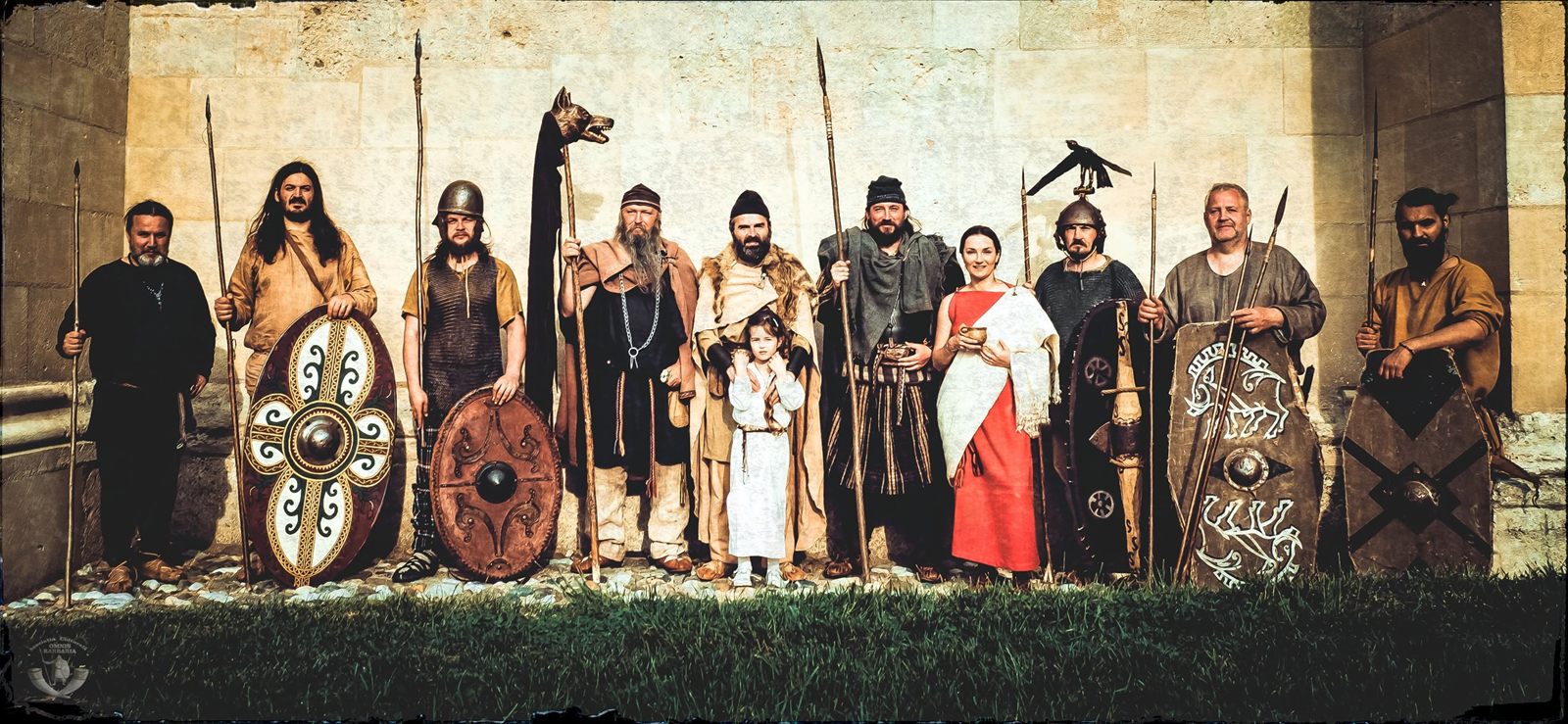
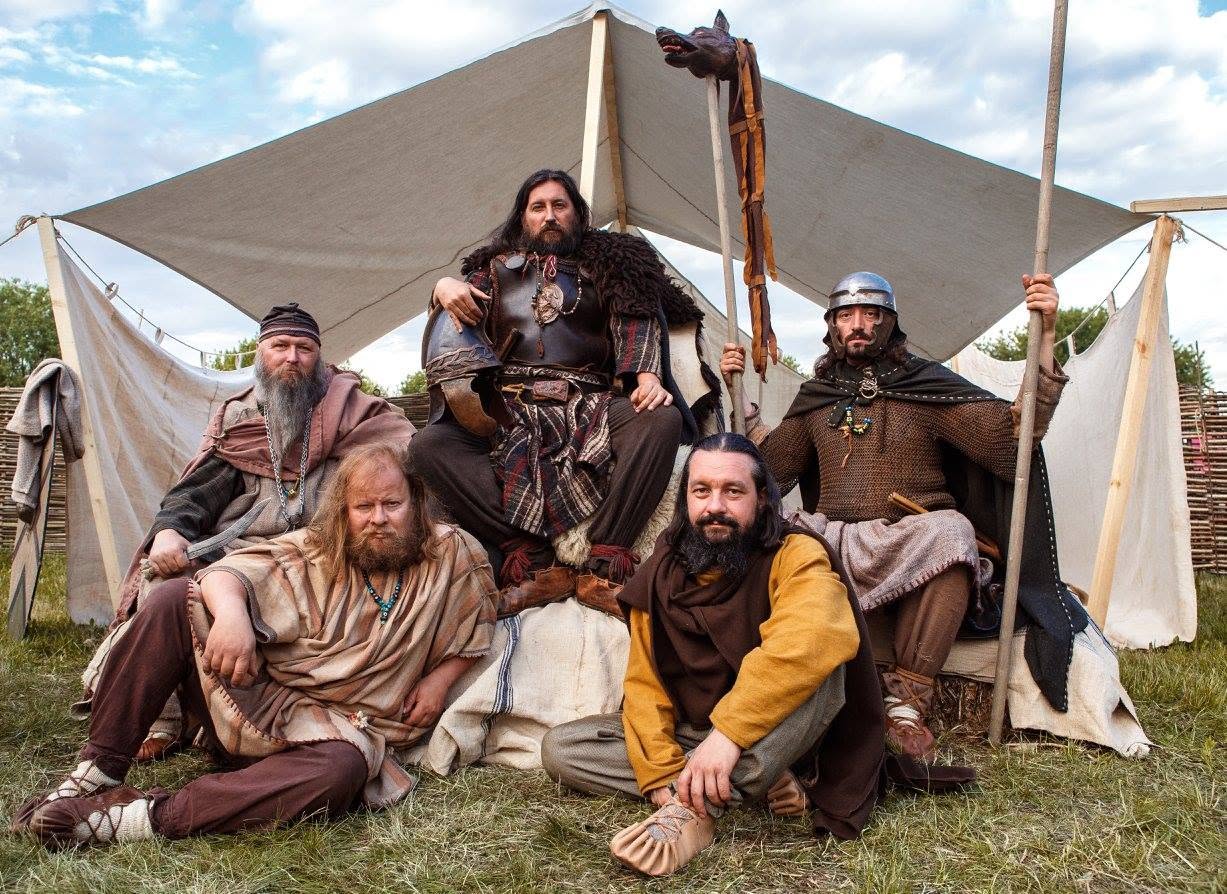
Asociația Culturală Omnis Barbaria is a historical reenactment association devoted to the civil and military life of the ancient peoples who lived on the territory of present-day Romania: the Dacians, Celts, Germanic peoples and Sarmatians.
Historical reenactment has been practised worldwide for decades. People equipped after the model of the period bring to life the civil and military practices known and recorded by history. Participants come from all walks of life – from history specialists to people with no formal training in the field who share a passion for the period they recreate.
Our activities follow well-established scenarios and are carried out with a high degree of rigour. Many events of this kind have become known worldwide, take place every year and draw very large numbers of visitors.
A more advanced level of reenactment, with a much higher degree of scientific rigour. It can bring new evidence about lesser-known aspects of the social and military life or the technology of a period.
On our own or together with public institutions and private partners: civil and military demonstrations, presentations of equipment, hands-on activities for the public and ancient crafts with pupils and children.
In every presentation, conference or public event we include representative archaeological discoveries from our county and from Romania – at home and, through partnerships with reenactment groups, abroad.
We run partnerships with schools so that knowledge reaches the most receptive audience. Most of our events have a hands-on part that engages children and pupils in activities that are both exciting and educational.
All our work rests on a solid scientific foundation, so that we can always give the public accurate information, and we keep close ties with museums and specialists in Romania and abroad.
Linothorax. In January–February 2014, as part of the "Linothorax Project", members of the association reconstructed a linothorax – a linen armour of the Greek world (5th–3rd century BC) – using only materials and techniques available in antiquity, a first in Romania.
The burnt-wall pits of Bozânta Mică. The project "Reconstructing and firing a rectangular pit with clay-lined, burnt walls", funded by the association and the Maramureș County Museum of History and Archaeology, recreated in three stages (October – December 2014) a type of archaeological feature discovered at Bozânta Mică – Grind. The results were prepared for publication in the journal Marmația.
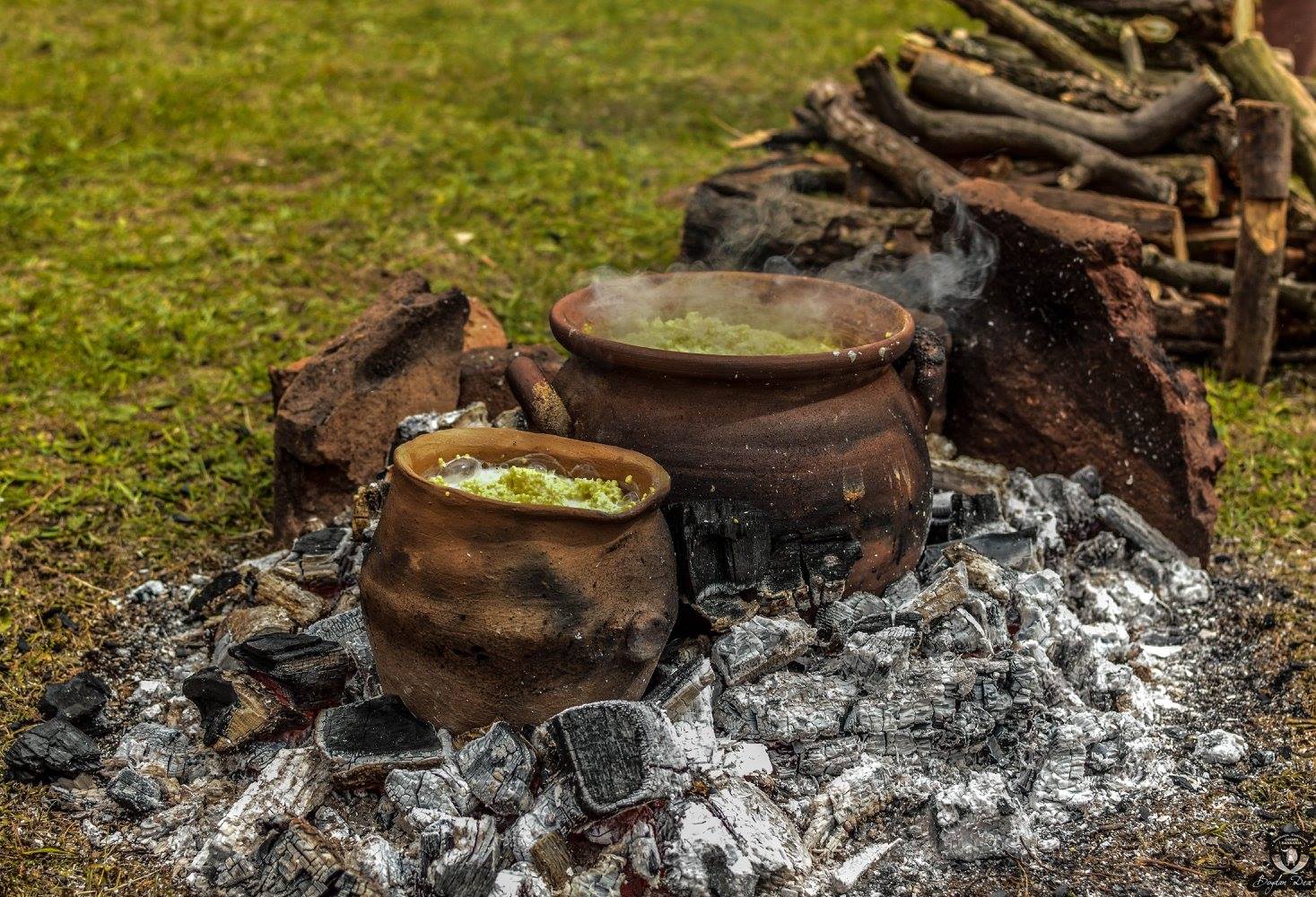
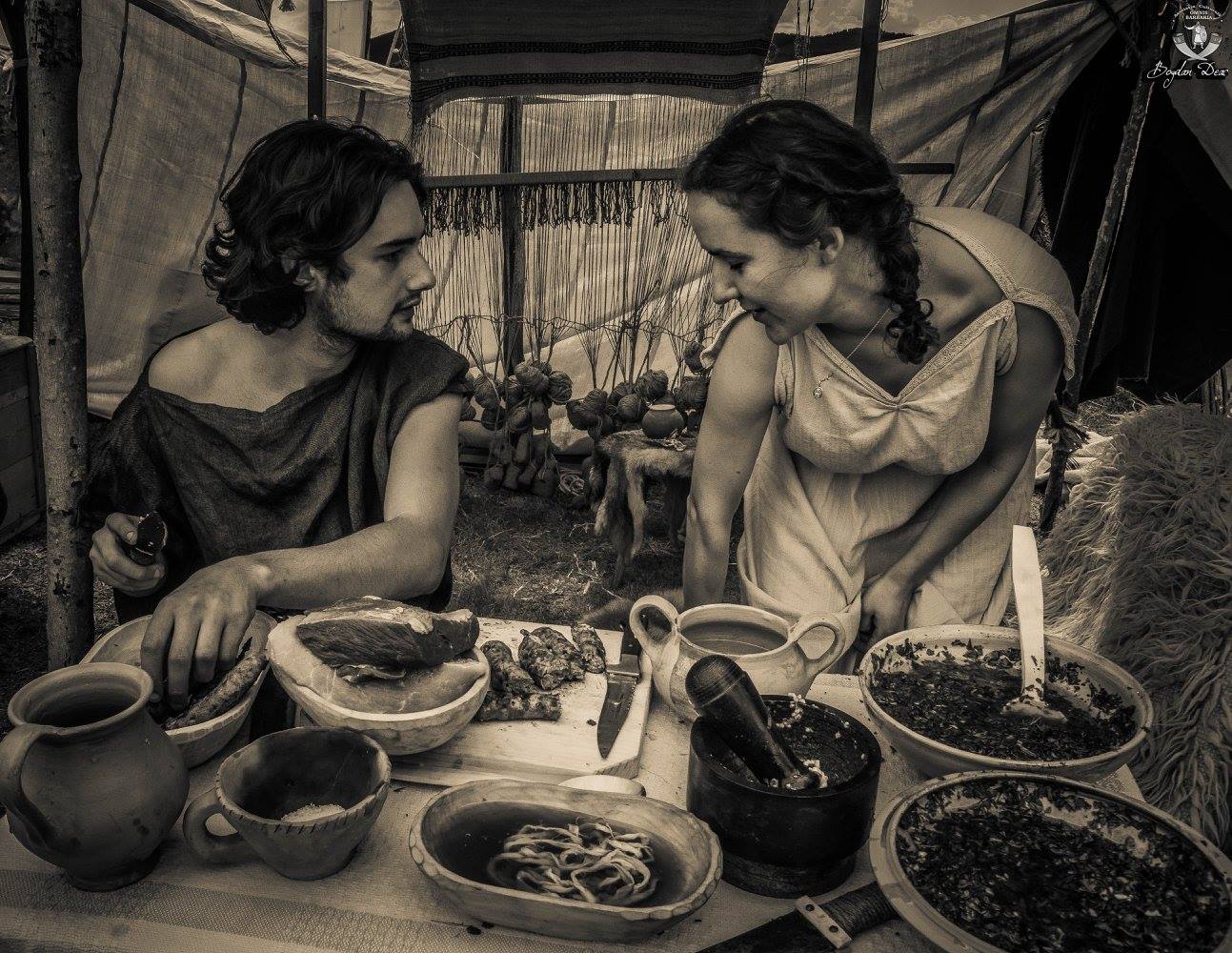
Workshops. At festivals and fairs we run workshops where we make replicas of objects known from antiquity:
Our guiding principle is to do away with fees and bureaucracy. Anyone who respects the association's statute and its rules is free to join and take part in our activities.
Any individual or organisation that wishes to take part is welcome and becomes a collaborator:
Since it was founded, the association has worked successfully with a number of institutions and reenactment groups, some of which have become key partners and supporters of our activities.
Text explaining the meaning of the wheel in our logo goes here.
The association's catalogue covers our history, operating principles, goals, partners and the 2014 activity report, together with photos from our events.
2015 edition. The contact details in the catalogue are out of date – please use our contact page.